About the iplfantasynow Editorial Desk
Who runs it, how predictions are built, and the corrections policy the desk follows.
iplfantasynow is an editorial desk covering the IPL through the lens of fantasy team building. We are not a fantasy platform and we do not run contests. Our job is to publish the desk's analysis so readers can make selections on whichever platform they prefer.
How predictions are built
Each prediction starts with a verifiable input: confirmed squad news, the venue report, recent role splits and the last five appearances for the players involved. Predicted XIs are revised only when an attributable source confirms a change. If a match is still days away, the desk publishes what is verifiable — venue report, recent form, role splits — and waits to publish a probable XI until there is something concrete to base it on.
Editorial principles
The desk operates on three principles. First, show the work: every published number is dated and sourced, every prediction carries the data cut-off used to build it. Second, update as the day changes: the homepage reflects the most recent update and every page shows when it was last revised. Third, reasoned picks, not hot takes: captain picks are reasoned from form, venue and role, and the reasoning is shown so you can challenge it.
Corrections policy
Material corrections are recorded visibly on the affected page with the original line, the updated line, the reason and the time of correction. Reader trust depends on this. We do not silently rewrite claims.
What the desk does not do
We do not claim ownership of any IPL franchise, league, team or player. We do not run contests, accept deposits or sell paid picks. We do not invent probability percentages or claim prediction accuracy we cannot substantiate.
How to reach the desk
Editorial contact
Tips, corrections and reader feedback are read by the desk and replied to where possible. Material corrections are published on the affected page.
Editorial policy →Responsible coverage
Predictions are reasoned picks, not guarantees. Selection conditions change after toss and confirmed lineups — always re-check the latest update.
Read on →The desk's editorial commitments
The desk operates on three editorial commitments. First, show the work: every published number is dated and sourced, every prediction carries the data cut-off used to build it. Second, update as the day changes: the homepage reflects the most recent update and every page shows when it was last revised. Third, reasoned picks, not hot takes: captain picks are reasoned from form, venue and role, and the reasoning is shown so you can challenge it.
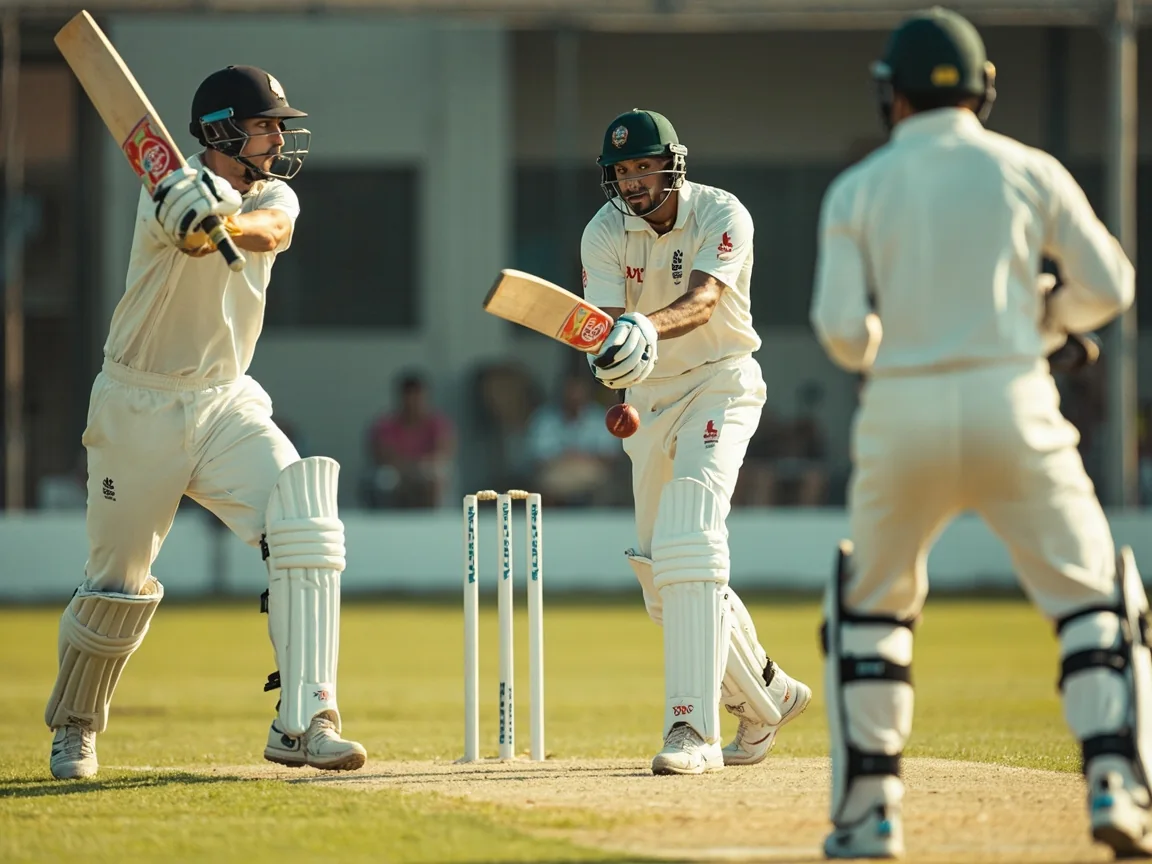
These commitments are tested every match. The data cuts off hours before publication, the squad news shifts through the day, the venue report shifts at the morning inspection, and the captain shortlist may need a re-rank after the toss. The desk's job is to keep the published claims current, with the reasoning visible.
Reader trust depends on corrections being visible. Material corrections are recorded on the affected page with the original line, the updated line, the reason and the time of correction. The desk does not silently rewrite claims. Where a published captain pick turns out to be wrong, the desk publishes a labelled correction note on the affected page.

The desk's editorial principles are designed to be durable. They should not shift with the season, the squad moves, or the league's marketing. The desk commits to showing the work, updating as the day changes, and publishing reasoned picks — and the desk commits to publishing corrections visibly when material details change.

What the desk publishes and why
The desk publishes five kinds of editorial output: match briefings, role-change alerts, captain picks, venue reports and form trackers. Each kind is designed for a specific reading use case. Match briefings are for the day of the match. Role-change alerts are for when the squad moves. Captain picks are for the selection decision. Venue reports are for the surface read. Form trackers are for the underlying numbers.
The five kinds of output share a common editorial discipline: every published claim is dated, every prediction carries the data cut-off used to build it, and every correction is published visibly on the affected page. The desk's commitment to these three disciplines is what allows the five kinds of output to fit together as one editorial system rather than as five separate products.
Reader feedback shapes which kinds of output get more or less attention. The desk reads every email and acts on the most useful feedback. Where a kind of output is consistently less useful to readers, the desk reduces its publication frequency or merges it into a related output. Where a kind of output is consistently more useful, the desk increases its publication frequency.

The desk's editorial commitments also include the limits of the desk's responsibility. The desk publishes reasoned picks, not certainties. The desk publishes correction notes visibly, not silently. The desk commits to showing the work so you can challenge the desk's read of any claim. The desk does not invent probability percentages or claim prediction accuracy it cannot substantiate.
The editorial commitments are tested every match. The desk's job is to keep the published claims current, with the reasoning visible. The desk's test is whether the published claims can be defended on the day the prediction turns out to be wrong. If the published reasoning was solid, the desk publishes a correction note and moves on. If the published reasoning was thin, the desk publishes a more substantive correction and revises the editorial method.
How the desk closes the loop
Reader trust depends on corrections being visible.
Material corrections are recorded on the affected page with the original line, the updated line, the reason and the time of correction.
The desk does not silently rewrite claims.
Where a published captain pick turns out to be wrong, the desk publishes a labelled correction note on the affected page.

The desk's editorial principles are designed to be durable.
They should not shift with the season, the squad moves, or the league's marketing.
The desk commits to showing the work, updating as the day changes, and publishing reasoned picks — and the desk commits to publishing corrections visibly when material details change.
The desk's editorial discipline on every page is the same as across the rest of the coverage.
Every published claim is dated, every prediction carries the data cut-off used to build it, and every correction is published visibly on the affected page.
The desk never claims certainty it cannot substantiate.
Reader feedback shapes the editorial roadmap.
The desk reads every email and acts on the most useful feedback.
Where feedback is widely shared, the desk may publish a brief on the change that follows.
Where feedback is less consistent, the desk revises the editorial roadmap quietly and continues to publish.
Read today's analysis before you lock your team
Predicted XIs, venue report and captain picks — all timestamped and sourced. Revisit before toss for the post-toss update.