
IPL Match Predictions, Built from Verifiable Inputs
Probable XIs, venue report, role analysis and a captain shortlist — with the data cut-off used to build every prediction published.
Each prediction starts with a verifiable input: confirmed squad news, the venue report, recent role splits and the last five appearances for the players involved. Predicted XIs are revised only when an attributable source confirms a change. If a match is still days away, the desk publishes what is verifiable — venue report, recent form, role splits — and waits to publish a probable XI until there is something concrete to base it on.
Predictions carry a labelled data cut-off and the timestamp of the most recent revision. If toss-time news changes the picture, a labelled post-toss panel is added. The desk never claims certainty it cannot substantiate. A "high confidence" captain pick is reason to publish more evidence, not less.
Tonight, tomorrow and the mid-week round — updated as confirmed team news arrives.
Form reads from the last five innings or bowling spells where data is available.
Every prediction carries a timestamp and a data cut-off — readers can challenge any claim.
Predicted XI, venue report and captain shortlist
Predicted XI (probable)
Top-order reads as the most stable part of the lineup. The middle order has two rotation spots that depend on Impact Player usage. The bowling attack looks settled unless the pitch report shifts to a slower surface — in which case the spinner comes in for the third seamer.
Venue report
Surface: batting-friendly early, slows in the second innings. Average first-innings score at this ground this season: 184. Dew factor: possible, with the toss winner likely to chase.
Captain shortlist
Top-order batter with a strong record at this venue is the desk's primary captain pick. Vice-captain option: a death-overs bowler with wicket-taking upside if the surface does slow down.
Matchup context and form read
Form read
Recent form points to a chasing side. Last-five numbers favour the team batting second, particularly at this venue.
Squad watch
Squad announcement is expected today. The desk will revise the predicted XI as soon as an attributable source confirms the lineup.
Role splits
Powerplay overs for the home side favour the openers. Death-overs bowling is the area the desk is watching most closely.
Risk notes
Dew is a possibility. The captain choice depends on whether the toss winner chases or bats first — re-check the desk's update before locking your team.
Three ways to think about captain
Ceiling pick
Pick the player with the highest expected fantasy ceiling. Highest variance, highest potential return. Best when you want to separate from the field.
Floor pick
Pick the player with the lowest realistic floor. Lowest variance, highest chance of a baseline score. Best when the rest of your team is high-variance.
Role-balanced pick
Pick the player whose role aligns most strongly with the venue and the opposition matchup. Reasoning-led, medium variance. Best when you want a defensible pick.
Vice-captain options the desk is watching
Death-overs bowler
High wicket share in recent matches. Lower ownership if the captain pick takes the headline batter.
📈Middle-order finisher
Role expanded in the last two matches. Differential play if the surface stays batting-friendly in the second innings.
⚖️Powerplay bowler
High dot percentage at this venue. Less attractive on a flat surface, very attractive on a slow one.
🛡Lower-order batter
Promoted in the last match. Low ownership but high ceiling if the role change sticks.
Why the desk publishes its limits
Limits the desk publishes
- No guaranteed picks. Every captain pick carries the reasoning behind it. The desk never claims certainty it cannot substantiate.
- Data cut-off shown. Each prediction page carries the data cut-off used to build it. If new information arrives after that point, the page is updated visibly.
- Small-sample warning. When a venue record is thin or a player has fewer than five innings this season, the desk flags a small-sample caveat next to the relevant claim.
- Post-toss updates. If toss or confirmed XI news changes the picture, a labelled post-toss panel is added on the prediction page within the desk's update cycle.
How the desk reads predictions across a season
Across a season, the desk's predictions methodology has to stay flexible because IPL squads change faster than most other franchise leagues. By the time the second half of the season arrives, the average team has used three different overseas combinations and rotated two Impact Player slots. A prediction method that worked in match five will be stale by match twenty-five unless it stays anchored in role and venue reads rather than reputation.
The desk re-reads the captain shortlist before every fixture, not because the previous read was wrong but because the inputs have shifted. A bowler promoted to the powerplay, a batter dropped down the order, a venue that has slowed under lights — each of these signals can flip the captain shortlist by twenty-four hours. The desk publishes the reasoning so you can see when a shift is data-driven versus when it is a small-sample wobble.
Toss-time news is the most volatile input. The desk's post-toss panel is published within the update cycle, with the captain shortlist re-ranked and the differential shortlist re-evaluated. If the toss winner chases on a dew-heavy night, the second-innings batters move up the captain list. If the toss winner bats on a slow surface, the spinners move up. The reasoning is shown in full.
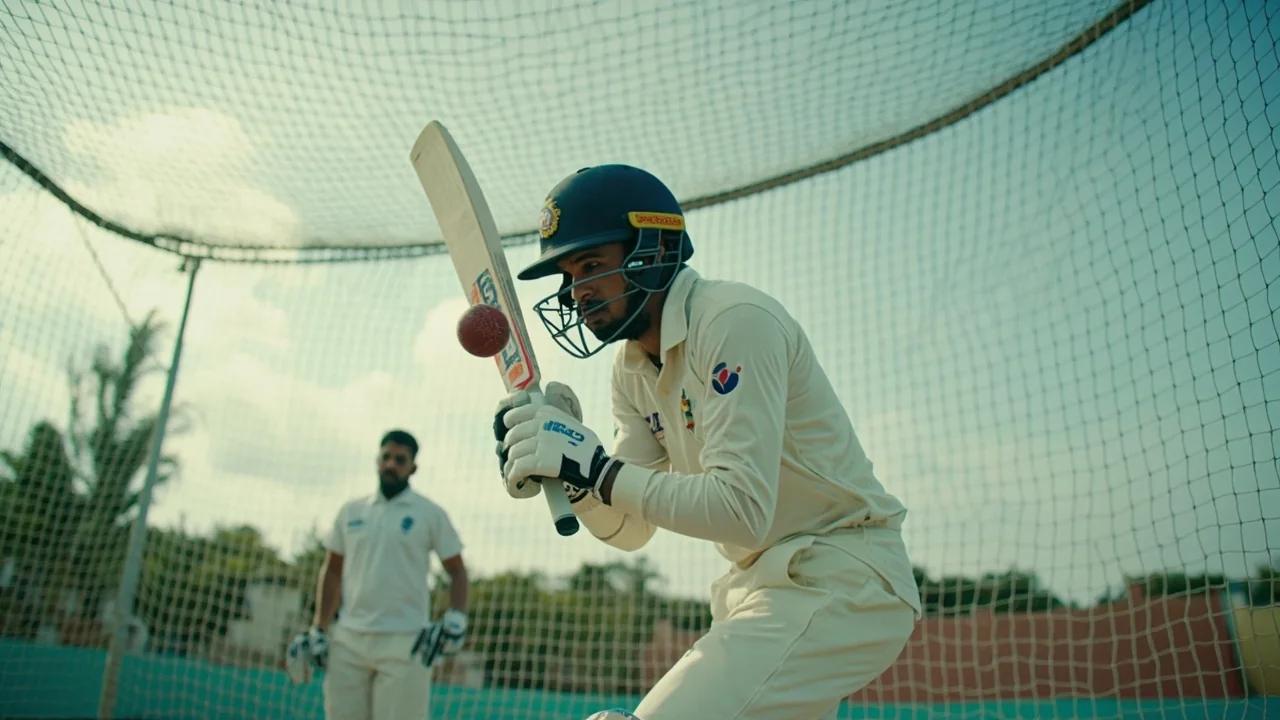
For matches where squad news is still developing, the desk publishes what is verifiable — venue report, recent form, role splits — and waits to publish a probable XI until there is something concrete to base it on. This is one of the more visible editorial commitments: the desk would rather publish less than publish a probable XI that turns out to be wrong.
Reading the desk's predictions week after week, you should see the captain shortlist narrow as squads stabilise. By the back half of the season, the captain picks the desk publishes are usually in the top three of the consensus, because the data is rich and the role reads are stable. The earlier-season picks carry wider uncertainty bands for the same reason.
How the desk reads this through the season
Reading this page across a season means tracking the inputs that shift week by week. Squad moves, role changes, venue conditions and toss-time news all feed the desk's read. The page is updated whenever a material input shifts, with the reasoning visible so you can challenge the desk's read.
The desk's editorial discipline on this page is the same as across the rest of the coverage. Every published claim is dated, every prediction carries the data cut-off used to build it, and every correction is published visibly on the affected page. The desk never claims certainty it cannot substantiate.
Where the underlying data is thin — early-season matches, small sample sizes, brand-new squad combinations — the desk publishes a small-sample warning next to the relevant claim. The desk does not invent probability percentages or claim prediction accuracy it cannot substantiate.
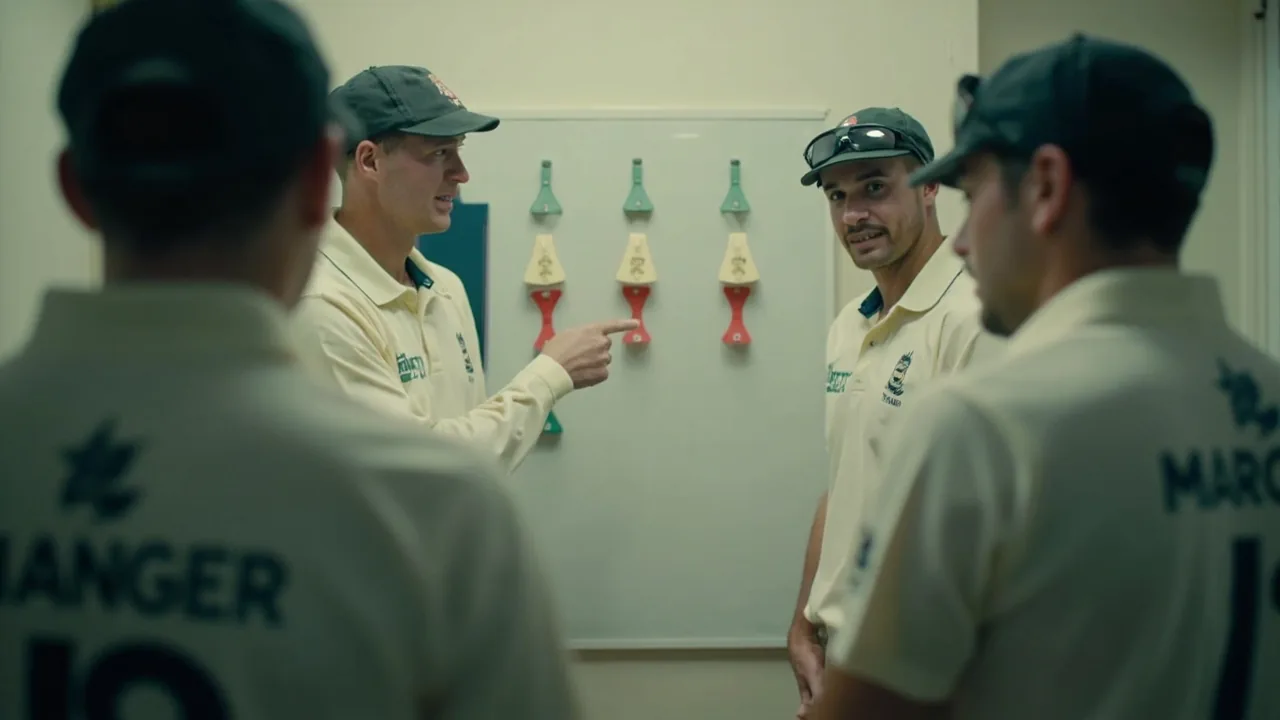
Reader feedback shapes the page. What is working, what is missing, what could be clearer — the desk reads every email and acts on the most useful feedback. Where a section is consistently less useful to readers, the desk reduces its prominence or merges it into a related section.
The desk's commitment is to publish the reasoning behind every claim so you can challenge the desk's read. Where a claim turns out to be wrong, the desk publishes a labelled correction note with the original line, the updated line, the reason and the time of correction. The desk does not silently rewrite claims.
How the desk closes the loop
Across a season, the desk's predictions methodology has to stay flexible because IPL squads change faster than most other franchise leagues.
By the time the second half of the season arrives, the average team has used three different overseas combinations and rotated two Impact Player slots.
A prediction method that worked in match five will be stale by match twenty-five unless it stays anchored in role and venue reads rather than reputation.
The desk re-reads the captain shortlist before every fixture, not because the previous read was wrong but because the inputs have shifted.
A bowler promoted to the powerplay, a batter dropped down the order, a venue that has slowed under lights — each of these signals can flip the captain shortlist by twenty-four hours.
The desk publishes the reasoning so you can see when a shift is data-driven versus when it is a small-sample wobble.
Toss-time news is the most volatile input.
The desk's post-toss panel is published within the update cycle, with the captain shortlist re-ranked and the differential shortlist re-evaluated.
If the toss winner chases on a dew-heavy night, the second-innings batters move up the captain list.
If the toss winner bats on a slow surface, the spinners move up.
For matches where squad news is still developing, the desk publishes what is verifiable — venue report, recent form, role splits — and waits to publish a probable XI until there is something concrete to base it on.
Reading the desk's prediction against the inputs that were operative
Read the analysis before you lock your team
Predicted XIs, venue report and captain picks — all timestamped and sourced. Revisit before toss for the post-toss update.