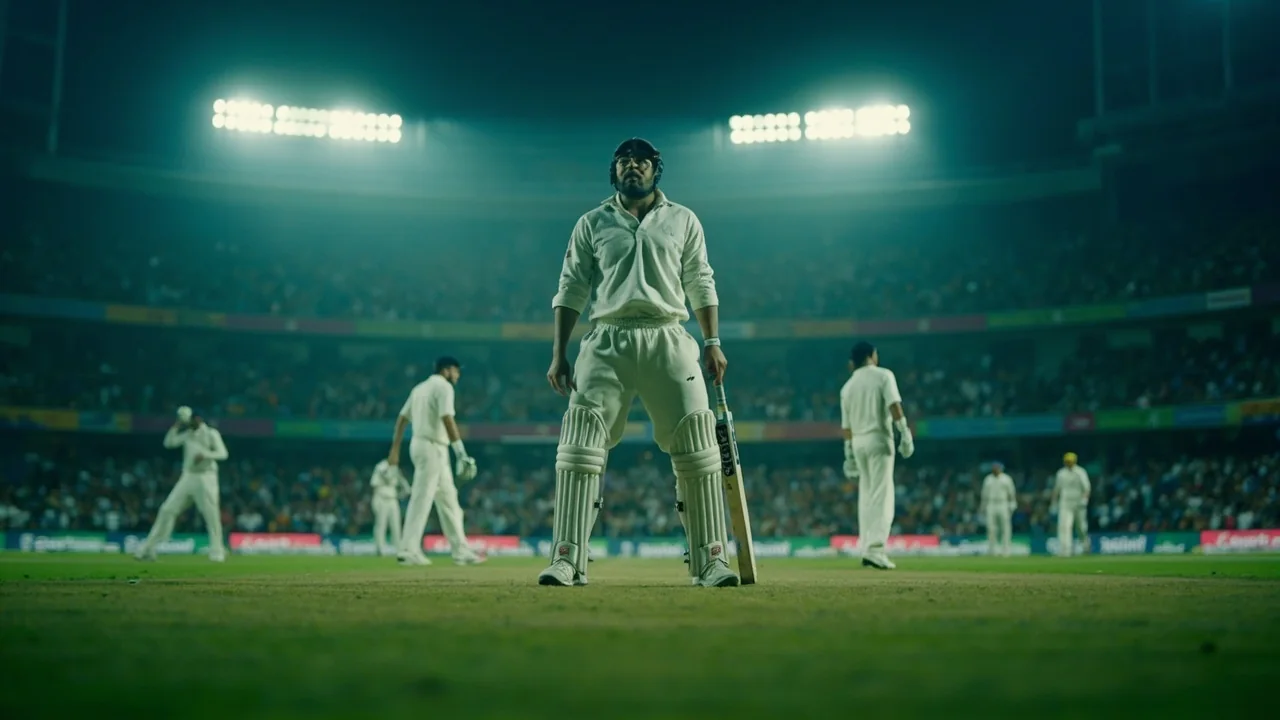
IPL Live Matches: Score and Fantasy Impact
Score, fall of wickets and role splits through the innings — with a fantasy-impact call-out when captain picks change shape.
When matches are underway, the live match centre carries the score, fall of wickets and the role splits that matter for fantasy team builders. The desk does not run a live score feed — readers should use their preferred score source — but we publish a fantasy-impact summary alongside key moments through the innings.
The live centre also carries a labelled post-toss panel after each toss, with the fantasy implications of the playing XIs called out within the desk's update cycle.
Tonight and tomorrow
How a match evolves for fantasy
Captain re-rank
When the powerplay changes shape, the captain shortlist may shift. The desk re-ranks the captain pick with reasoning.
Differential watch
Differential picks often come alive in the death overs. The desk flags which differentials are tracking.
Role splits update
As the match progresses, role splits matter more than raw runs. The desk tracks overs by phase through the innings.
Post-toss panel
After each toss, the desk publishes a labelled post-toss panel with the fantasy implications of the playing XIs.
How the desk reads a live match
Reading a live match as a fantasy team builder means reading the match through the lens of role splits and phase impact, not as a ball-by-ball ticker. The desk's live match centre is designed for that read. It carries the score, the fall of wickets, the role splits and a labelled post-toss panel — but it does not try to replace a real-time score feed.
The captain re-rank is the most useful thing the desk publishes during a live match. When the powerplay changes shape — early wickets, a fast start, a slower surface — the captain shortlist may shift. The desk re-ranks the captain pick with reasoning so you can see what changed and why.
Differential watch is the second most useful read. Differential picks often come alive in the death overs. The desk flags which differentials are tracking as the match progresses and which are falling behind the captain pick. The reasoning is shown so you can challenge the desk's read of the differential.
Role splits update is the third most useful read. As the match progresses, role splits matter more than raw runs. The desk tracks overs by phase through the innings — powerplay, middle, death — and flags the role splits that are diverging from the expected pattern. The reasoning is shown so you can see what changed.
Post-toss panel is the labelled update the desk publishes after each toss. The post-toss panel covers the fantasy implications of the playing XIs, the captain shortlist re-rank, and the differential watch updates. The post-toss panel is published within the desk's update cycle, with the timestamp shown.
How the desk reads this through the season
Reading this page across a season means tracking the inputs that shift week by week. Squad moves, role changes, venue conditions and toss-time news all feed the desk's read. The page is updated whenever a material input shifts, with the reasoning visible so you can challenge the desk's read.
The desk's editorial discipline on this page is the same as across the rest of the coverage. Every published claim is dated, every prediction carries the data cut-off used to build it, and every correction is published visibly on the affected page. The desk never claims certainty it cannot substantiate.
Where the underlying data is thin — early-season matches, small sample sizes, brand-new squad combinations — the desk publishes a small-sample warning next to the relevant claim. The desk does not invent probability percentages or claim prediction accuracy it cannot substantiate.

Reader feedback shapes the page. What is working, what is missing, what could be clearer — the desk reads every email and acts on the most useful feedback. Where a section is consistently less useful to readers, the desk reduces its prominence or merges it into a related section.
The desk's commitment is to publish the reasoning behind every claim so you can challenge the desk's read. Where a claim turns out to be wrong, the desk publishes a labelled correction note with the original line, the updated line, the reason and the time of correction. The desk does not silently rewrite claims.
How the desk closes the loop
Reading a live match as a fantasy team builder means reading the match through the lens of role splits and phase impact, not as a ball-by-ball ticker.
The desk's live match centre is designed for that read.
It carries the score, the fall of wickets, the role splits and a labelled post-toss panel — but it does not try to replace a real-time score feed.
The captain re-rank is the most useful thing the desk publishes during a live match.

When the powerplay changes shape — early wickets, a fast start, a slower surface — the captain shortlist may shift.
The desk re-ranks the captain pick with reasoning so you can see what changed and why.
Differential watch is the second most useful read.
Differential picks often come alive in the death overs.
The desk flags which differentials are tracking as the match progresses and which are falling behind the captain pick.
The reasoning is shown so you can challenge the desk's read of the differential.
Role splits update is the third most useful read.
As the match progresses, role splits matter more than raw runs.
The desk tracks overs by phase through the innings — powerplay, middle, death — and flags the role splits that are diverging from the expected pattern.
Post-toss panel is the labelled update the desk publishes after each toss.
The post-toss panel covers the fantasy implications of the playing XIs, the captain shortlist re-rank, and the differential watch updates.
Read today's analysis before you lock your team
Predicted XIs, venue report and captain picks — all timestamped and sourced. Revisit before toss for the post-toss update.