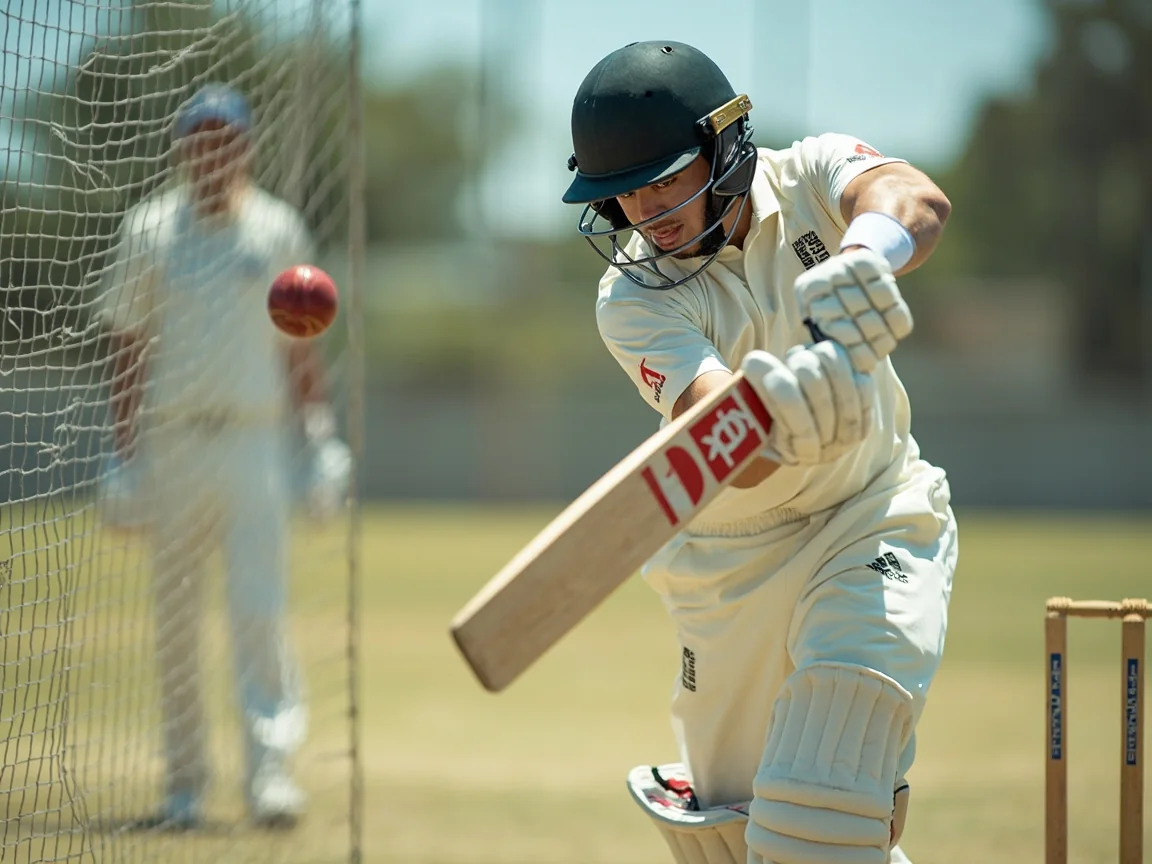
IPL News, Updated Through the Day
Breaking updates, squad news, role changes and venue reports — timestamped and sourced.
The IPL news desk is the running log of confirmed squad moves, reported squad moves, Impact Player usage, role-change alerts and venue reports. Each item carries a timestamped update and a labelled source where one is available.
Reading the news desk through the day means tracking the inputs that shift. Squad moves, role changes, venue conditions and toss-time news all feed the desk's read. The news desk is updated whenever a material input shifts, with the reasoning visible so you can challenge the desk's read.

Confirmed squad moves are labelled as 'confirmed' only after an attributable source updates the picture. Until then, the move is 'reported' and the fantasy implication is held back. The desk would rather publish a slower-moving news desk than publish a squad move that turns out to be wrong.
Impact Player usage is a recurring news item. The Impact Player rule has shifted how teams think about squad depth, and how fantasy team builders should think about role value. A player who is rotated through the Impact Player slot can carry higher variance than a player who holds a stable role.
Role-change alerts are the news desk's most useful signal. Role changes drive fantasy value far more reliably than batting position moves. The desk publishes a labelled alert whenever a material role change lands, with the reasoning shown so you can see what changed.

Venue reports and toss-time news are the most volatile inputs. After each toss, the captain shortlist may shift and the differential shortlist may shift. The post-toss panel is published within the desk's update cycle, with the captain shortlist re-ranked and the differential watch updated.

How the desk applies this across the season
The IPL news desk runs on a simple rule: every published claim carries a source. Where a source is named, the attribution is published with the claim. Where a source is anonymous, the desk publishes the claim with the reasoning behind it. The desk does not publish claims it cannot verify.
Reading the news desk across a season means reading the patterns that recur. Squad moves cluster around the auction window, the trade window, and the mid-season injury replacement window. Role-change alerts cluster around the toss. Captain shortlist shifts cluster around confirmed team news and the toss. The news desk's rhythm matches these patterns, and the desk's editorial cycle is built around the same windows.
The desk's news coverage covers six kinds of story. First, confirmed squad moves with attributable sources. Second, reported squad moves held back until the source confirms. Third, Impact Player rotations and their fantasy implications. Fourth, role-change alerts with the role before, the role after, and the implication. Fifth, venue reports and toss-time news. Sixth, captain shortlist re-ranks after confirmed team news or the toss.

The desk's editorial commitments hold regardless of the news cycle. Show the work: every claim carries a date and a source. Update as the day changes: the desk revises claims within the update cycle. Reasoned picks, not hot takes: the desk publishes reasoning behind every captain pick and every role-change alert. Where the reasoning turns out to be wrong, the desk publishes a labelled correction note on the affected page.
Reader feedback shapes the news desk. The desk reads every email and acts on the most useful feedback. Where a section is consistently less useful, the desk reduces its prominence. Where a section is consistently more useful, the desk increases its publication frequency. The desk's commitment is to publish the news with the reasoning visible, so readers can challenge the desk's read of any claim.
The news desk's editorial discipline applies to every page on the site. The desk commits to publishing correction notes visibly when material details change. The desk commits to publishing the data cut-off used to build any prediction. The desk commits to publishing the role reads with the underlying metrics shown.
How the desk applies the editorial method here
The desk's editorial commitments on the news desk are tested every match. The desk's job is to keep the published claims current, with the reasoning visible. The desk's test is whether the published claims can be defended on the day the prediction turns out to be wrong.
Where a published squad move or role-change alert turns out to be wrong, the desk publishes a labelled correction note on the affected page. The correction note carries the original line, the updated line, the reason and the time of correction. The desk does not silently rewrite claims.
Reader feedback shapes the news desk. The desk reads every email and acts on the most useful feedback. Where a story is consistently less useful to readers, the desk reduces its prominence. Where a story is consistently more useful, the desk increases its publication frequency.
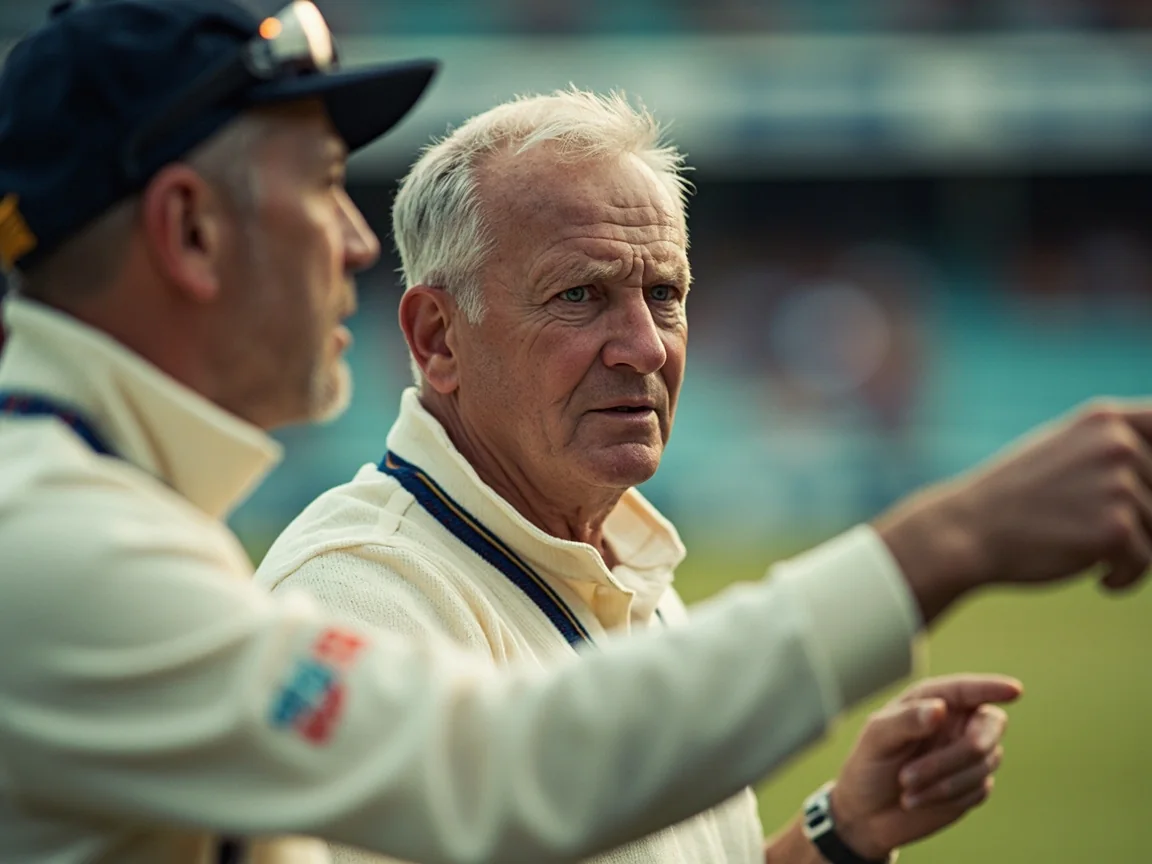
Reading the news desk across the season means reading the patterns that recur — squad moves cluster around windows, role changes cluster around the toss, captain shortlist shifts cluster around confirmed team news. The desk's rhythm matches these patterns.
The desk commits to publishing the reasoning behind every published claim so readers can challenge the desk's read. The desk does not invent probability percentages or claim prediction accuracy it cannot substantiate. The desk's coverage is anchored in role-based thinking and the editorial commitments that hold across formats.
Editorial method applied to this page
The IPL news desk runs on a simple rule: every published claim carries a source. Where a source is named, the attribution is published with the claim. Where a source is anonymous, the desk publishes the claim with the reasoning behind it. The desk does not publish claims it cannot verify.
Reading the news desk across a season means reading the patterns that recur. Squad moves cluster around the auction window, the trade window, and the mid-season injury replacement window. Role-change alerts cluster around the toss. Captain shortlist shifts cluster around confirmed team news and the toss. The news desk's rhythm matches these patterns.
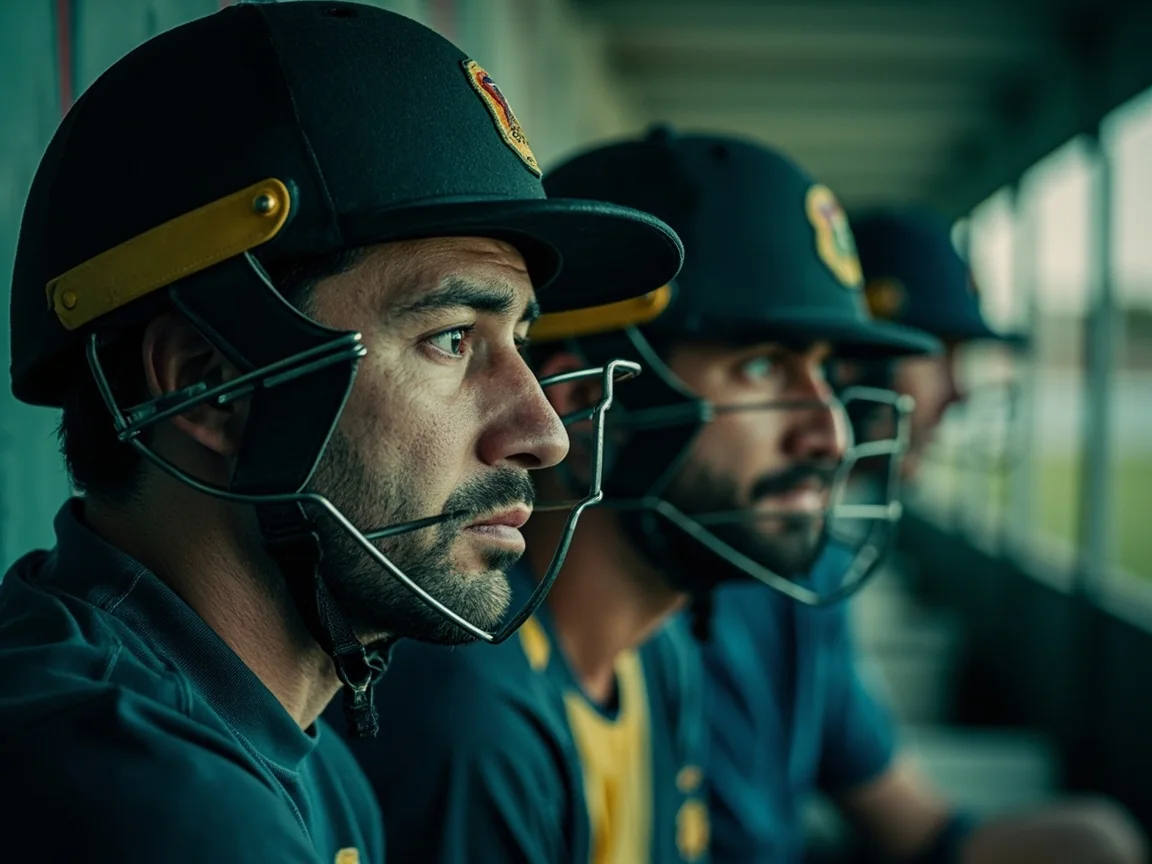
The news desk's editorial commitments hold regardless of the news cycle. Show the work: every claim carries a date and a source. Update as the day changes: the desk revises claims within the update cycle. Reasoned picks, not hot takes: the desk publishes reasoning behind every captain pick and every role-change alert.
Reader feedback shapes the news desk. The desk reads every email and acts on the most useful feedback. Where a section is consistently less useful, the desk reduces its prominence. Where a section is consistently more useful, the desk increases its publication frequency. The desk's commitment is to publish the news with the reasoning visible.
How the desk reads this through a season
Reading this page through a season means tracking the inputs that shift week by week. Squad moves, role changes, venue conditions and toss-time news all feed the desk's read. The desk's editorial discipline is the same as across the rest of the coverage: every published claim is dated, every prediction carries the data cut-off used to build it, and every correction is published visibly on the affected page with the original line, the updated line, the reason and the time of correction. The desk never claims certainty it cannot substantiate and never silently rewrites a published claim.
Where the underlying data is thin — early-season matches, small sample sizes, brand-new squad combinations — the desk publishes a small-sample warning next to the relevant claim. Where toss-time news or confirmed team news changes the picture, the desk publishes a labelled update within the update cycle. Where role changes or squad moves shift a player's role, the desk publishes a labelled alert. Reader feedback shapes which sections get more or less attention.
The desk reads every email and acts on the most useful feedback. Where a section is consistently less useful to readers, the desk reduces its prominence or merges it into a related section. Where a section is consistently more useful, the desk increases its publication frequency. The desk's editorial commitments — show the work, update as the day changes, reasoned picks not hot takes — apply across every kind of output the desk publishes.

The desk commits to showing the reasoning behind every published claim so readers can challenge the desk's read. Where a claim turns out to be wrong, the desk publishes a labelled correction note with the original line, the updated line, the reason and the time of correction. The desk does not silently rewrite claims. The desk's commitment is to publish the correction visibly, not silently.
Across a season, the desk tracks patterns that recur and revises its coverage in response. The desk's coverage is anchored in role-based thinking, balance rules, common errors and worked examples, all of which apply across formats and across the season. The desk's job is to publish reasoning that the reader can challenge and to publish corrections visibly when the reasoning turns out to be wrong.
Read today's analysis before you lock your team
Predicted XIs, venue report and captain picks — all timestamped and sourced. Revisit before toss for the post-toss update.