
IPL 2026 Venue Guides
How each ground plays, with small-sample warnings when data is thin.
Venue guides are the desk's read of how each ground plays through the season. Surface type, boundary dimensions, average first-innings score and the role types the venue tends to favour are tracked for every IPL 2026 venue.
Surface type is the headline read. Some grounds play batting-friendly throughout the match; some slow in the second innings. The desk's venue guides carry a brief on the surface type for each ground, with the caveat that surface type varies with weather and time of year.

Boundary dimensions are the second most useful read. The desk's standard reference: square, straight, mid-wicket. Where the dimensions are shorter on one side, the batters who score square of the wicket tend to produce higher fantasy averages.
Average first-innings score is the third most useful read. Some grounds consistently produce 200-plus first-innings scores; some consistently produce 150-or-under. The desk tracks average first-innings score where the data is verifiable, with a small-sample warning whenever the venue record is thin.
Role types favoured is the fourth most useful read. Some venues favour top-order batters, some favour middle-order finishers, some favour spinners. The desk's venue guides carry a brief on which role types the venue has historically favoured — with a small-sample warning wherever the venue record is thin.

Dew factor is the fifth most useful read. Venues with significant dew under lights tend to favour the chasing side. The desk's venue guides carry a brief on the historical dew factor at each venue, with the caveat that dew factor varies with weather and time of year.

How the desk applies this across the season
Venue guides are the desk's read of how each ground plays through the season. Surface type, boundary dimensions, average first-innings score and the role types the venue tends to favour are tracked for every IPL 2026 venue.
Surface type is the headline read. Some grounds play batting-friendly throughout the match; some slow in the second innings. The desk's venue guides carry a brief on the surface type for each ground.
Boundary dimensions are the second most useful read. The desk's standard reference: square, straight, mid-wicket. Where the dimensions are shorter on one side, the batters who score square of the wicket tend to produce higher fantasy averages.

Role types favoured is the fourth most useful read. Some venues favour top-order batters, some favour middle-order finishers, some favour spinners. The desk's venue guides carry a brief on which role types the venue has historically favoured — with a small-sample warning wherever the venue record is thin.
Dew factor is the fifth most useful read. Venues with significant dew under lights tend to favour the chasing side. The desk's venue guides carry a brief on the historical dew factor at each venue, with the caveat that dew factor varies with weather and time of year.

Reading the venues through the season means tracking how each ground evolves. Some grounds get slower in the back half of the season; some get flatter. The desk's venue guides are revised whenever the underlying data shifts. Where the data is thin, a small-sample warning is published next to the relevant claim.
How the desk applies the editorial method here
Venue guides feed the captain shortlist directly. The captain pick is the highest-impact decision in any fantasy team, and the venue guide is one of the most reliable inputs. The desk commits to keeping the venue guides current through the season.
Reader feedback shapes the venue guides. The desk reads every email and acts on the most useful feedback. Where a venue input is consistently less useful, the desk reduces its prominence. Where a venue input is consistently more useful, the desk increases its publication frequency.
Reading venue guides across the season means tracking how each ground evolves. Some grounds get slower in the back half of the season; some get flatter. The desk's venue guides are revised whenever the underlying data shifts.

Where a venue record shifts materially — for example, a venue that has played slower than its historical average — a labelled update is published. Where the venue record stays consistent, the existing guide is referenced rather than rewritten.
The desk commits to publishing venue guides with the data cut-off used to build them. Where the underlying data is thin, a small-sample warning is published next to the relevant claim.
Editorial method applied to this page
Venue guides are the desk's read of how each ground plays through the season. Surface type, boundary dimensions, average first-innings score and the role types the venue tends to favour are tracked for every IPL 2026 venue.
Surface type is the headline read. Some grounds play batting-friendly throughout the match; some slow in the second innings. The desk's venue guides carry a brief on the surface type for each ground.
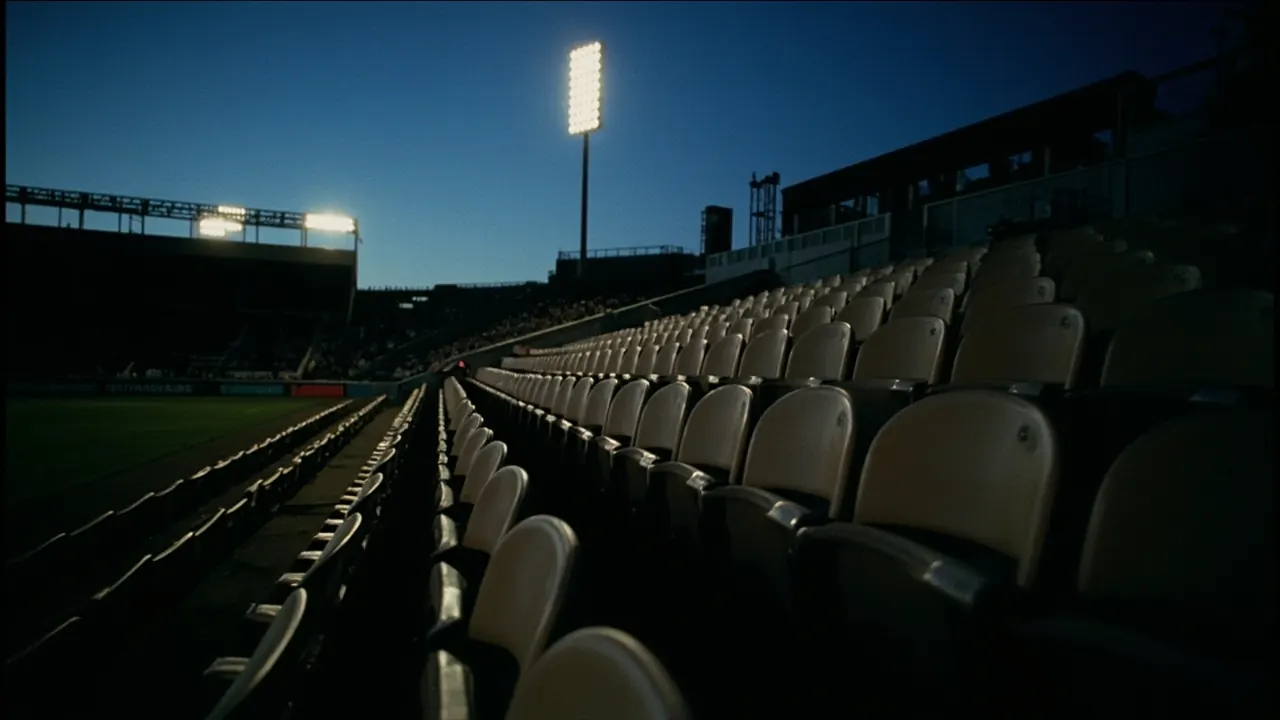
Boundary dimensions are the second most useful read. The desk's standard reference: square, straight, mid-wicket. Where the dimensions are shorter on one side, the batters who score square of the wicket tend to produce higher fantasy averages.
Role types favoured is the fourth most useful read. Some venues favour top-order batters, some favour middle-order finishers, some favour spinners.

How the desk reads this through a season
Reading this page through a season means tracking the inputs that shift week by week. Squad moves, role changes, venue conditions and toss-time news all feed the desk's read. The desk's editorial discipline is the same as across the rest of the coverage: every published claim is dated, every prediction carries the data cut-off used to build it, and every correction is published visibly on the affected page with the original line, the updated line, the reason and the time of correction. The desk never claims certainty it cannot substantiate and never silently rewrites a published claim.
Where the underlying data is thin — early-season matches, small sample sizes, brand-new squad combinations — the desk publishes a small-sample warning next to the relevant claim. Where toss-time news or confirmed team news changes the picture, the desk publishes a labelled update within the update cycle. Where role changes or squad moves shift a player's role, the desk publishes a labelled alert. Reader feedback shapes which sections get more or less attention.
The desk reads every email and acts on the most useful feedback. Where a section is consistently less useful to readers, the desk reduces its prominence or merges it into a related section. Where a section is consistently more useful, the desk increases its publication frequency. The desk's editorial commitments — show the work, update as the day changes, reasoned picks not hot takes — apply across every kind of output the desk publishes.
The desk commits to showing the reasoning behind every published claim so readers can challenge the desk's read. Where a claim turns out to be wrong, the desk publishes a labelled correction note with the original line, the updated line, the reason and the time of correction. The desk does not silently rewrite claims. The desk's commitment is to publish the correction visibly, not silently.
Across a season, the desk tracks patterns that recur and revises its coverage in response. The desk's coverage is anchored in role-based thinking, balance rules, common errors and worked examples, all of which apply across formats and across the season. The desk's job is to publish reasoning that the reader can challenge and to publish corrections visibly when the reasoning turns out to be wrong.
Editorial discipline applied to this page
The desk's editorial discipline applies to every page on the site. Every published claim is dated. Every prediction carries the data cut-off used to build it. Every correction is published visibly on the affected page with the original line, the updated line, the reason and the time of correction.
Where the underlying data is thin — early-season matches, small sample sizes, brand-new squad combinations — the desk publishes a small-sample warning next to the relevant claim. The desk does not invent probability percentages or claim prediction accuracy it cannot substantiate.
Reader feedback shapes which sections get more or less attention. Where a section is consistently less useful to readers, the desk reduces its prominence or merges it into a related section. Where a section is consistently more useful, the desk increases its publication frequency.

Read today's analysis before you lock your team
Predicted XIs, venue report and captain picks — all timestamped and sourced. Revisit before toss for the post-toss update.